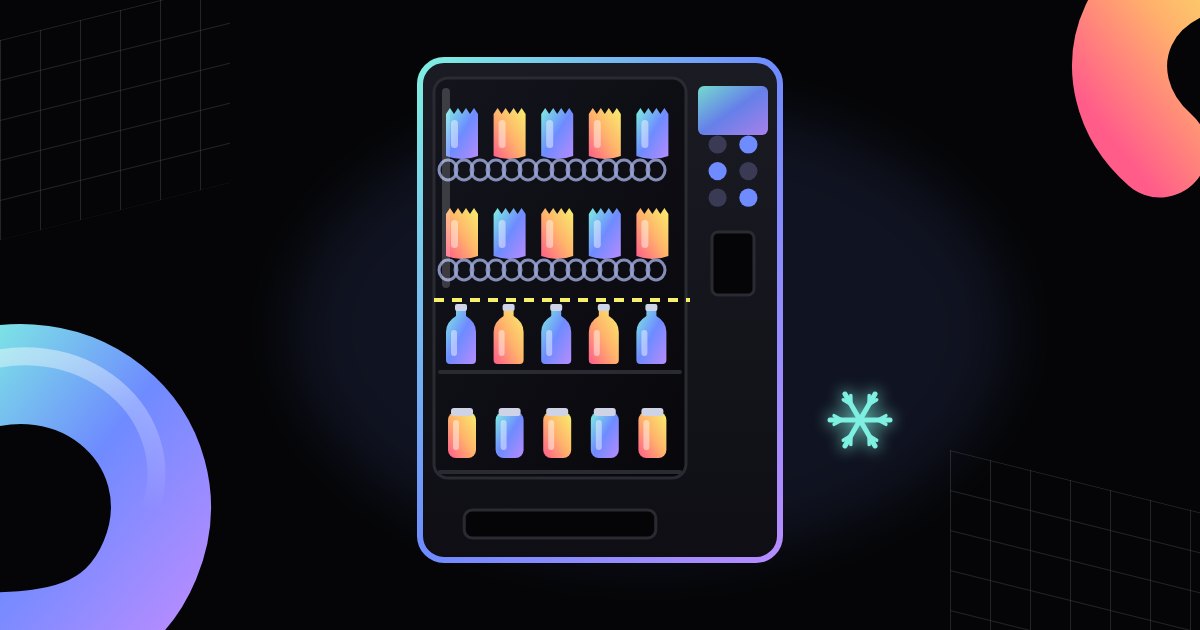
A combo machine holds snacks and drinks in one cabinet. It suits places with no room for two machines.
- One cabinet, two jobs
- Cooling and temperature zones
- Why one machine saves space
- The trade-off: fewer selections
- Where a combo fits best
- What the delivery bay means
- Payments in a combo machine
- Planning the product mix
- Refills and service
- Placement and practical details
- When needs change
- Example: a small office kitchen
- What to check before you decide
- FAQ
The break room has one free wall. Someone wants a snack machine. Someone else wants cold drinks. The facility manager looks at the wall, then at the floor plan, then back at the wall. Two machines won't fit, or would fit only by blocking the door to the storage room. That is usually the moment someone mentions a combo machine. This post explains how a combo machine puts snacks and drinks in one cabinet, what it does well, where it falls short, and what to check before you decide that one machine can do the work of two.
One cabinet, two jobs
A combo machine combines snack and drink selections in a single cabinet. Inside, products usually sit on spirals, the same kind you know from a classic snack machine. When someone pays, a spiral turns and pushes the product forward until it drops into the delivery bay. Bottled drinks can sit on spirals too, often on lower shelves with wider spacing. The whole machine runs on one controller, so there is one set of settings, one service menu, and one record of sales. There is also one payment system. Customers pay the same way for a bottle of water as for a bag of chips. From the outside, it looks like one machine with a slightly mixed menu. That is exactly what it is.
Cooling and temperature zones
Drinks are usually expected to be cold. Chocolate doesn't like heat either, but it doesn't need to be as cold as a bottle of water. Many combo machines solve this with temperature zones. One part of the cabinet is cooled more than another, so drinks can be colder than candy. Other machines cool the whole cabinet the same way. Which approach a given model uses is described in its manual. The operator sets the temperature within the limits the machine allows. We are not listing temperatures here, because they depend on the machine and the products. If a drink in a combo machine is lukewarm, it is worth telling the operator. It may be a setting, a fault, or a machine standing too close to a radiator.
Why one machine saves space
The main reason people choose a combo is space. One cabinet takes up less floor than two machines standing side by side. It also needs one power socket instead of two, though the exact requirements are on the rating plate and in the manual. There is one set of clearances around the machine, not two. In a small break room or a narrow corridor, that can decide whether there is a machine at all. Service is simpler too. The operator visits one machine, opens one door, and refills both snacks and drinks in one go. For the host, it means one contact person, one sticker with contact details, and one place where people queue.
The trade-off: fewer selections
Putting two jobs in one cabinet has a price, and it is paid in selections. A combo machine holds fewer snacks than a dedicated snack machine of similar size. It also holds fewer drinks than a dedicated drink machine. The operator has to choose. Five kinds of chips, or three kinds of chips and two more drinks? There is no single right answer. It depends on what people in that place actually buy. A combo also runs out faster when traffic is high, because each product has less room. In a quiet office, that may never matter. In a busy factory canteen, the machine might be half empty by lunch. The trade-off is fine as long as everyone knows it exists.
Where a combo fits best
Combo machines tend to suit places with moderate traffic and limited space. A small or medium office is a typical example. So are smaller workshops, clinics, or hotel corridors. In these places, people want a choice of snacks and something cold to drink, but not dozens of options. A combo gives them both without taking over the room. With heavy traffic, separate machines are more common. A large office, a school, or a factory with several shifts may empty a combo too quickly. Two dedicated machines then hold more of each product and need fewer refills. The operator can usually estimate what fits, based on how many people use the space and how sales look in similar places.
What the delivery bay means
A combo machine usually has one delivery bay for everything. A bag of chips and a bottle of water fall into the same place. Most of the time, that works without anyone noticing. Bottles are heavier, so the machine's design has to make sure they land without damage. Some machines use a lift or a softer landing area for this. Others simply place drinks on lower shelves so the fall is shorter. Which solution a model has is described by the manufacturer. For the customer, the main thing is that the bay is easy to reach. A bay placed too low can be awkward for some users. Accessibility needs at your site are worth raising with the operator before the machine arrives.
Payments in a combo machine
Because a combo has one controller, it also has one payment system. Coins, cards, phones, or other methods all go through the same reader or acceptors. That is convenient. A customer who buys a snack and then decides on a drink pays the same way twice. It also means that when the card reader has a problem, both snacks and drinks are affected. A machine with cash as well as cards can keep selling if one method fails. Which methods a machine supports depends on its equipment and the operator. It is worth asking which ones your users actually prefer. In a modern office, card and phone payments may be enough. In some workplaces, cash still matters.
Planning the product mix
Deciding what goes into a combo is a small puzzle. Snacks need enough variety to keep people interested. Drinks need a sensible range: water, something sweet, maybe something without sugar. All of it has to fit into a limited number of spirals. The operator usually starts with a standard layout and then adjusts it based on sales. Products that hardly sell make room for ones that run out. Many operators welcome suggestions from users. If people in your building keep asking for a particular drink, tell the operator. For more on snack choices, see the page about snack vending machines (publisher's site). The best layout is the one people stop complaining about.
Refills and service
A combo machine needs regular refills like any other. The difference is that the operator handles snacks and drinks in one visit. That saves time, but it also means the visit takes a bit longer. Drinks are heavy, so refilling them is real work. Frequency depends on sales. A machine in a quiet place may need a refill once in a while. A busy one may need it more often. Telemetry helps here. Many machines report stock levels remotely, so the operator knows when something is running low. Without telemetry, the operator relies on a schedule and on reports from the host. If one product is always empty, it is worth mentioning. It may need more space in the layout.
Placement and practical details
A combo machine needs the same basics as any vending machine. It needs a stable, level floor that can carry its weight when full. Drinks add a lot of weight, so the floor matters more than people think. The rating plate and manual list the power and clearance requirements. A machine with cooling needs space around it for ventilation. Standing it against a radiator or in direct sun makes the cooling work harder. It should not block escape routes or doors. The person responsible for the building can say where that is a concern. Good lighting helps people read the labels. A spot near where people already take breaks gets more use than a hidden corner.
When needs change
A combo that fits today may not fit in two years. Teams grow, offices move, a new shift starts. If the machine starts running empty before every refill, that is a signal. The operator can first try to adjust the layout or refill more often. If that is not enough, it may be time to think about two separate machines. The opposite also happens. A large site shrinks, and two half-empty machines could become one combo. It helps when the agreement with the operator allows such changes without a long negotiation. What the agreement says is between you and the operator. A short review of sales every so often keeps the setup in line with how people actually use it.
Example: a small office kitchen
Picture an office with a few dozen employees and one small kitchen. There is space for one machine, next to the fridge. The office manager talks to an operator, who suggests a combo machine with a cooled zone for drinks. The layout starts with a mix of snacks, water, and a couple of sweet drinks. After a few weeks, sales show that water runs out fastest. The operator gives it another spiral and removes a snack nobody buys. Someone asks for a sugar-free drink, and it appears after the next visit. The machine is not a supermarket. It does exactly what the room needs, which is all anyone asked of it.
What to check before you decide
Before choosing a combo machine, go through a short list:
- how many people will use it and how busy the space is,
- whether there is room for two machines or only one,
- which snacks and drinks people actually want,
- whether the model has cooling zones and how temperatures are set,
- what the rating plate and manual say about power and clearances,
- which payment methods the machine supports,
- how often the operator plans to refill it.
A combo is not a compromise in a bad sense. It is a choice that fits some places very well and others not at all. Knowing which kind of place you have is most of the decision.
Related reading: Coffee Machines vs. Snack Machines and Types of Vending Machines.
FAQ
Are drinks cold in a combo machine? Yes, if the machine is refrigerated. The operator sets the temperature within the limits the machine allows.
Is a combo right for a big office? With heavy traffic, separate machines are more common, because they hold more of each product.
Can a combo machine make hot drinks? Not the type described here, which sells packaged snacks and bottled drinks. The product sheet says what a given model offers.
Can I suggest a product? Yes. Operators often welcome suggestions from users.